



Description
Buy BMK OIL online
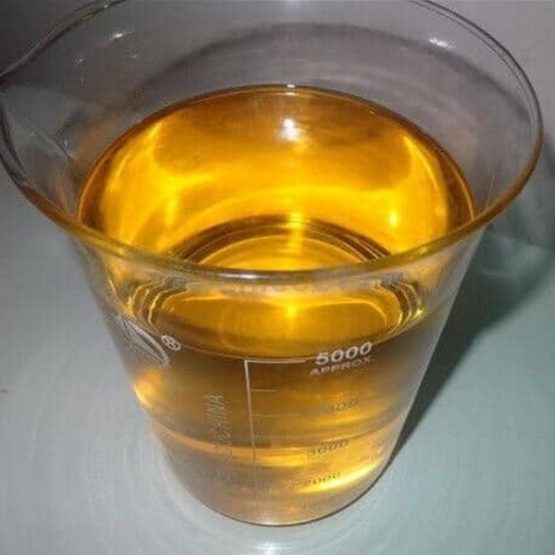
BMK oil or P2P oil, which stands for Benzyl Methyl Ketone oil (often called Phenyl-2-propanone or P2P). It is a highly regulated, synthetic organic compound primarily used as a key precursor in chemical synthesis. It is a clear to pale yellow liquid known for its pungent chemical odor and its role in producing legal pharmaceuticals, agrochemicals, and other chemical agents. Because it can be easily converted into amphetamine-type stimulants, its acquisition and use are strictly controlled worldwide.
What is BMK Oil? About P2P oil
- Chemical Formula & Structure: C₁₁H₁₂O (often associated with phenylacetone Derivatives). It is a ketone, which means it participates readily in condensation and reduction reactions.
- Physical Form: A liquid that is miscible in common organic solvents (ethanol, ether, acetone) but has limited solubility in water.
- Regulatory Status: Listed as a List I chemical precursor in many jurisdictions (such as by the U.S. DEA) because it is a direct precursor in the manufacture of methamphetamines and amphetamine.
Uses of BMK Oil
BMK oil has legitimate, high-value uses in legal industries, although its illicit popularity often dominates its public profile.
- Pharmaceutical Synthesis: It serves as a precursor in the production of amphetamine-type drugs used legally for ADHD, narcolepsy, and obesity treatment (under strict licensing), as well as analgesics and decongestants (e.g., ephedrine).
- Chemical Manufacturing: Used in the production of specialty chemicals, resins, plasticizers, and polymers.
- Agrochemical Development: Employed as a building block in the synthesis of pesticides, insecticides, and fungicides for agricultural crop protection.
- Academic and Forensic Research: Used in laboratory settings for investigating organic reaction pathways and creating reference standards for identifying seized drugs.
How BMK Oil Works (In Chemical Synthesis)
BMK functions as an intermediate a building block in chemical reactions.
- Reactivity: Its structure enables it to undergo Nucleophilic Addition, Condensation (e.g., Aldol), and Reduction reactions.
- Synthesis Route: In chemical labs, BMK is commonly transform via reductive amination. A process where the ketone functional group is replaced with an amine group to create phenethylamine derivatives.
Side Effects and Hazards
BMK oil is considered a hazardous substance, requiring specialized handling, ventilation, and personal protective equipment (PPE).
- Acute Effects: Direct contact causes skin and eye irritation/burns.
- Inhalation Hazards: Inhaling vapors can lead to nausea, dizziness, headache, respiratory distress, and central nervous system depression.
- Chronic Exposure: Prolonged exposure without protection can lead to liver or kidney damage and potential neurological impairment.
- Contaminants: Low-grade or improperly synthesized BMK can contain hazardous residual solvents (acetone, toluene) and heavy metals, increasing toxicity.
Handling and Safety Measures
- Storage: Should be stored in a cool, dry, dark, and well-ventilated area, preferably under an inert gas (nitrogen) to prevent oxidation.
- PPE: Use Nitrile gloves, safety goggles, and lab coats to avoid direct skin and eye contact.
- Fire Safety: It is flammable, and its vapors can travel to ignition sources
P2P Oil For Sale
You can buy P2P oil or phenylacetone also known as phenyl-2-propanone. P2P or BMK Oil is a colorless, aromatic oil used in chemical manufacturing, including pesticides and pharmaceuticals. As a restricted drug precursor (often listed in Class I or Category 1), it is strictly controlled due to its key role in producing amphetamines.
Reviews
There are no reviews yet.